

Achieving a truly energy-efficient home requires a comprehensive approach that targets both passive building insulation and active mechanical systems. High utility bills, inconsistent room temperatures, and drafty living spaces are usually symptoms of energy escaping through your home’s building envelope or being wasted by inefficient heating and cooling equipment. When conditioned air leaks out and external heat penetrates your living spaces, your mechanical systems must work continuously to maintain set temperatures, driving up monthly operating costs and accelerating equipment wear.
By systematically addressing thermal leaks, upgrading insulation layers, optimizing window performance, and scheduling regular climate control maintenance, you can dramatically lower your home’s energy consumption. Strategic efficiency upgrades not only slash monthly utility overhead but also stabilize indoor humidity levels, improve indoor air quality, and enhance daily comfort across every season. This guide explores the most effective ways to fortify your home’s thermal envelope and optimize your mechanical systems for maximum efficiency.
Reduce Heat Gain With Smarter Window Coverings
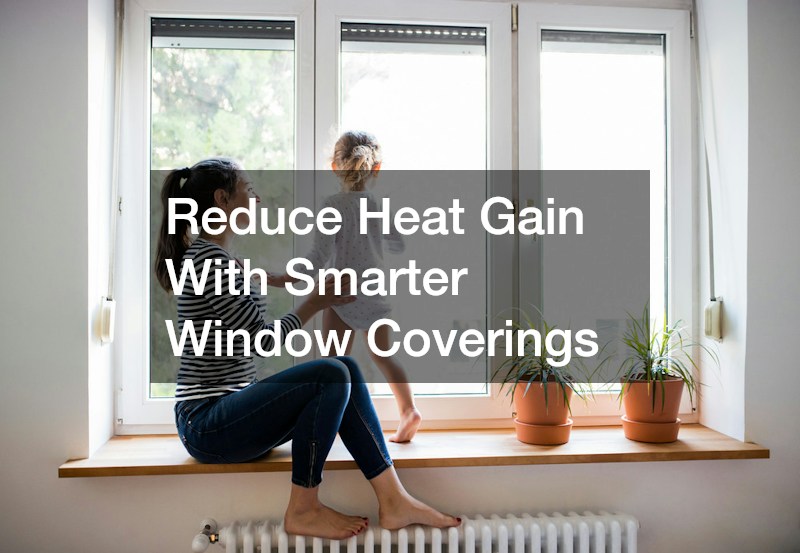
Windows are essential for bringing natural light into living spaces, but unshaded glass surfaces represent one of the primary pathways for unwanted solar heat gain during summer months. Direct sunlight passing through standard glass panes creates a greenhouse effect indoors, causing room temperatures to surge and forcing air conditioning systems to run continuously. Combatting solar heat gain requires installing specialized window treatments engineered to block infrared radiation before it warms your interior living space.
Partnering with specialized solar shade companies allows homeowners to select custom window coverings designed specifically to block UV radiation and solar heat while preserving outside views. Professional installers evaluate window orientation, sun angles, and glazing types to recommend optimal fabric densities and reflective backings. Custom solar shades reflect a significant percentage of incoming solar energy back through the glass, preventing heat buildup in rooms exposed to direct sunlight. Upgrading your interior window coverings lowers air conditioning demand, protects interior furnishings from UV fading, and maintains comfortable room temperatures on hot days.
Control Sunlight Without Sacrificing Natural Light
Traditional heavy drapes or dark blinds can effectively block sunlight, but they often leave rooms feeling dark, enclosed, and reliant on artificial interior lighting. Finding the ideal balance between solar protection and natural daylighting is critical for creating an energy-efficient, visually comfortable home. Modern shading technologies allow you to diffuse harsh glare and block solar heat without shutting out natural daylight completely.
Installing high-performance solar shades provides precise control over solar heat gain while maintaining sightlines to the outdoors. Modern solar fabrics are manufactured with specific openness factors—ranging from one percent to ten percent—allowing you to select the exact level of light filtration, glare reduction, and thermal protection needed for each room. Placing solar shades on south- and west-facing windows reduces summer heat gain significantly while providing diffused, glare-free natural daylight. Intelligent sunlight control reduces your reliance on electric lighting during the day while keeping interior spaces naturally cool.
Seal Drafts Around Frequently Used Entry Points
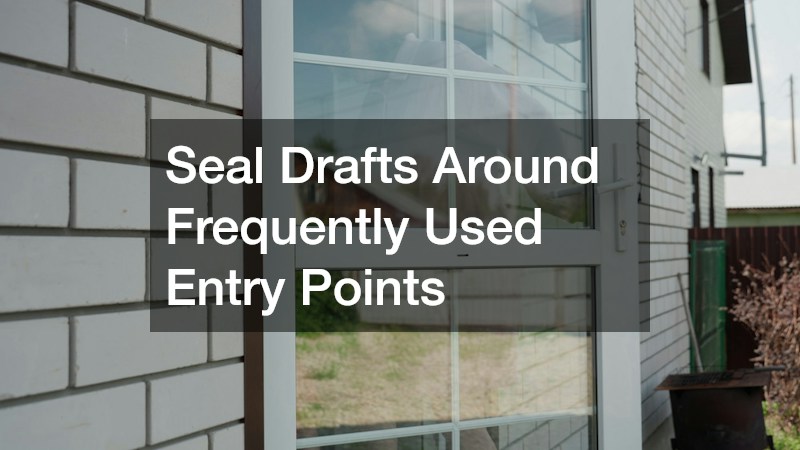
Large exterior openings—such as patio doors, sliding glass entryways, and main exterior doors—are major sources of air leakage when weatherstripping wears down or door frames misalign. Over years of daily operation, sliding door rollers wear out, tracks accumulate debris, and perimeter seals deteriorate, creating gaps that permit drafty air infiltration and conditioned air loss. A drafty sliding door forces your climate control system to compensate constantly for escaping air, driving up utility bills.
Restoring the air seal around large sliding glass openings requires specialized mechanical repair and alignment. Utilizing a professional sliding glass door repair specialist ensures that worn rollers are replaced, tracks are cleaned and realigned, and heavy-duty perimeter weatherstripping is installed. Experienced technicians adjust door alignment to ensure the glass panel seats tightly against the frame when closed, eliminating air leaks completely. Sealing drafts around sliding doors restores the integrity of your building envelope, blocks outdoor noise, and keeps conditioned air inside where it belongs.
Improve Window Performance With Professional Repairs
Windows can account for a substantial portion of a home’s total heating and cooling loss. As window units age, double-pane seals break down, allowing thermal insulating gas to escape and moisture to condense between glass panes. Foggy glass, broken latches, cracked panes, and deteriorated frame sealant severely compromise thermal performance, allowing winter heat to escape and summer heat to penetrate your living space.
Engaging a skilled local glass service to repair or replace compromised window components restores the thermal performance of your fenestration without requiring the expense of complete frame replacements. Glass specialists can perform insulated glass unit (IGU) replacements, installing new double- or triple-pane sealed glass units featuring Low-E coatings and argon gas fills directly into existing frames. Technicians also re-seal frame perimeters with commercial-grade caulking to eliminate drafty air gaps around window openings. Repairing failing window glass blocks thermal transfer, restores crystal-clear views, and enhances overall energy efficiency.
Strengthen the Home’s Thermal Barrier From Above

Conditioned air naturally rises, making the attic one of the most critical zones for energy conservation in any residence. In uninsulated or poorly insulated attics, winter heat escapes rapidly through the ceiling, while summer heat absorbed by roof shingles radiates down into living spaces below. Inadequate attic insulation forces heating and cooling systems to work twice as hard to maintain set indoor temperatures, leading to high utility bills and uneven room comfort.
Upgrading your thermal envelope with high-density attic insulation creates a powerful continuous barrier against heat transfer. Insulation specialists can add blown-in cellulose, loose-fill fiberglass, or spray foam insulation over existing ceiling joists to achieve recommended R-values for your climate zone. Certified installers also seal air leaks around attic access hatches, recessed light fixtures, and plumbing stacks before installing new insulation. Strengthening your attic thermal barrier lowers winter heating demands, keeps summer living spaces cool, and prevents ice dam formation along roof edges during cold weather.
Keep Heating and Cooling Systems Running Efficiently
Your heating, ventilation, and climate control network is the single largest energy consumer in your home. Even the highest-rated energy-efficient equipment will suffer performance losses if ductwork is leaky, filters are clogged, or mechanical components accumulate debris and friction. A poorly maintained climate control system uses significantly more electricity or fuel to deliver the same amount of heating or cooling, resulting in high utility bills and premature mechanical failure.
Partnering with an experienced HVAC contractor guarantees that your entire mechanical system operates at peak thermodynamic efficiency. Certified technicians inspect ductwork for air leaks, balance airflow distribution, calibrate smart thermostats, and clean internal blower components. Professional HVAC contractors perform Manual J heat-load calculations to verify that your system is sized correctly and operating within optimal pressure parameters. Routine mechanical optimization keeps your climate system running cleanly, reduces energy overhead, and extends the operational lifespan of your equipment.
Improve Cooling Performance Before Peak Summer Demand

Air conditioning systems endure continuous high-demand operational cycles during extreme summer heatwaves. If your cooling equipment enters the summer season with dirty evaporator coils, low refrigerant levels, or worn electrical capacitors, its cooling capacity drops significantly while its energy draw surges. Operating a compromised air conditioner during peak summer demand leads to high electric bills, poor indoor humidity control, and sudden equipment breakdowns.
Scheduling preventive cooling maintenance with reputable ac companies before summer temperatures rise ensures your air conditioner is prepared for heavy use. Certified cooling technicians clean condenser coils, flush condensate drain lines, inspect electrical connections, and verify exact refrigerant charges. Technicians also test thermostat calibration and airflow output across all registers to ensure balanced cooling distribution. Pre-summer AC servicing restores maximum heat-exchange efficiency, lowers electrical consumption during hot months, and prevents unexpected cooling failures when you need thermal comfort most.
Restore Reliable Heat With Timely System Maintenance
When winter temperatures drop, a healthy heating system is vital for both personal comfort and property safety. Furnaces and heat pumps that have sat idle during warmer months often accumulate dust on heat exchangers, suffer from clogged fuel nozzles, or experience igniter wear. Operating a dirty or uncalibrated heating system leads to inefficient fuel combustion, high gas or electric bills, inconsistent heating output, and potential safety risks from incomplete combustion or cracked heat exchangers.
Enlisting a qualified specialist for timely furnace repair and seasonal maintenance ensures your heating equipment operates safely and efficiently throughout winter. Heating technicians clean burners, inspect heat exchangers for dangerous cracks, replace air filters, and verify proper flue gas venting. Technicians also calibrate safety limit switches and optimize gas manifold pressure to ensure clean, efficient fuel combustion. Timely heating maintenance eliminates cold spots, lowers winter heating expenses, and guarantees safe, reliable warmth throughout the coldest months of the year.
Prevent Energy Loss Through the Home’s Exterior
Your roof is your home’s primary defense against weather elements, bearing the full brunt of direct solar radiation, high winds, heavy rain, and freezing temperatures. When a roofing system ages, missing shingles, deteriorated underlayment, and compromised flashing permit moisture penetration and thermal leakage. A compromised roof deck allows conditioned air to leak out while permitting external heat or cold to penetrate your attic space, compromising your entire insulation strategy.
Partnering with a licensed local roofing contractor allows you to fortify your building envelope from the top down. Professional roofers evaluate shingle integrity, inspect chimney and vent flashings, check valley seams, and verify proper soffit-to-ridge attic ventilation. Installing modern architectural shingles or reflective cool-roofing materials reflects solar UV rays away from the house, reducing attic heat buildup during summer. A well-maintained, properly ventilated roof protects your underlying structure, lowers cooling loads, and preserves attic insulation performance for decades.
Address Small Exterior Problems Before They Affect Efficiency
Minor exterior flaws—such as hairline masonry cracks, loose fascia boards, cracked window caulking, or minor shingle damage—often seem cosmetic, but they create direct pathways for energy loss and water intrusion. Unsealed exterior gaps allow outdoor air to infiltrate wall cavities, degrading insulation performance and creating unconditioned draft zones inside living areas. Furthermore, moisture entering through small roof or siding gaps rots structural timber framing and compromises thermal barriers.
Working with an experienced local roofer to conduct regular exterior inspections ensures that minor building envelope defects are identified and repaired promptly. Certified roofers re-seal compromised flashing around roof penetrations, replace damaged shingles, repair loose soffits, and apply weather-resistant sealants to exterior joints. Addressing minor exterior wear proactively prevents water damage, seals structural air leaks, and preserves your home’s thermal efficiency. Maintaining a tight, defect-free exterior envelope protects your property investment and keeps utility costs low year after year.
Maximizing your home’s energy efficiency requires a balanced approach that combines building envelope protection with proactive mechanical system care. Sealing drafty doors, upgrading attic insulation, repairing failing window glass, and installing solar shades fortify your home against thermal loss and solar heat gain. At the same time, scheduling regular maintenance with certified HVAC, cooling, furnace, and roofing specialists ensures your active systems run cleanly and efficiently across every season.
Taking a structured, quality-focused approach to energy management delivers continuous dividends in lower utility bills, reduced mechanical stress, and elevated daily comfort. Upgrading core infrastructure and protecting your building envelope from environmental wear ensures your living space remains safe, draft-free, and cost-effective to operate. By prioritizing timely maintenance, strategic insulation, and energy-conscious upgrades, you build a resilient, comfortable, and sustainable home that retains its performance and value for years to come.
In addition to optimizing your building envelope and maintaining mechanical efficiency, adopting intelligent energy monitoring technology offers a direct, data-driven path to lowering household utility costs. Installing a modern smart electrical monitor inside your main service panel gives you real-time visibility into your home’s power consumption patterns down to individual appliances and circuits. These systems track kilowatt-hour usage through intuitive smartphone interfaces, identifying high-draw “energy vampires”—such as aging secondary refrigerators, inefficient sump pumps, or constantly running HVAC blowers—that silently inflate your electric bill.
Leveraging real-time energy analytics allows you to make informed operational adjustments, such as shifting high-load activities like running dishwashers or charging electric vehicles to off-peak utility hours when electricity rates are lowest. Smart monitors can also detect subtle electrical anomalies, alerting you to failing appliance motors or heating elements before a complete breakdown occurs. By pairing physical building envelope improvements with active digital energy monitoring, you gain complete control over your home’s energy footprint, eliminating waste and ensuring your efficiency upgrades deliver maximum financial return.

