
Creating an eco-friendly home does not necessarily mean completely rebuilding a property or installing every new technology available. In many cases, the biggest improvements come from reducing unnecessary energy consumption and helping the home’s existing systems operate more efficiently. Heating and cooling equipment, windows, doors, insulation, roofing, electrical systems, and renewable energy can all contribute to a more efficient household.
The most effective improvements also tend to work together. High-quality insulation can reduce the amount of energy needed to maintain comfortable indoor temperatures, while efficient windows and properly installed doors can limit unwanted heat transfer. HVAC maintenance can help equipment operate as intended, and an efficient roof can contribute to the performance of the building as a whole. Solar energy can then provide an additional opportunity to reduce dependence on conventional electricity sources.
Homeowners do not need to complete every project at once. An eco-friendly improvement plan can be developed gradually based on the home’s age, existing systems, climate, and budget. Addressing the areas responsible for the greatest inefficiencies first can provide a practical path forward.
By looking at the entire property rather than treating individual upgrades as unrelated projects, homeowners can create a more comfortable, efficient, and environmentally conscious place to live.
Clean and Renewable Solar Energy
Generating electricity at home can be one of the most significant changes homeowners consider when trying to reduce their reliance on traditional energy sources. Solar panels convert sunlight into electricity that can be used to help power household appliances, lighting, electronics, and other electrical systems.
A professional solar company can evaluate the property and help determine whether solar installation is practical. Roof orientation, available sunlight, shading from nearby trees or buildings, electrical infrastructure, local regulations, and the condition of the roof can all influence the project.
The roof deserves particular attention before panels are installed. If roofing materials are approaching the point where replacement will soon be necessary, coordinating roofing and solar projects can prevent unnecessary removal and reinstallation later.
Homeowners should also evaluate their household’s actual electricity usage. Understanding current consumption can provide useful context when discussing system size and expected performance.
Solar power is not the only component of an eco-friendly home, but it can complement improvements that reduce overall energy demand. A home that is already well insulated and equipped with efficient systems can make more effective use of the energy it generates.
Energy-Efficient Electrical Systems
Electricity is used throughout nearly every modern home, making the electrical system an important part of an efficiency strategy. Lighting, appliances, HVAC equipment, computers, entertainment systems, and countless smaller devices all contribute to household electricity consumption.
A professional electrician service can evaluate electrical components when homeowners are planning significant efficiency upgrades or experiencing problems with existing systems. Electrical work may also be necessary when installing new appliances, HVAC equipment, vehicle charging equipment, or renewable energy systems.
Lighting is one area where homeowners can often make straightforward changes. Efficient bulbs and fixtures can reduce electricity consumption while still providing appropriate illumination. Controls such as timers, dimmers, occupancy sensors, and smart devices may also help reduce unnecessary use in certain areas.
An electrical evaluation can be particularly useful in older homes where existing infrastructure may not have been designed for modern equipment.
Homeowners should focus on safe, appropriate upgrades rather than simply adding technology for its own sake. The goal of an efficient electrical system is to support household needs reliably while reducing avoidable consumption wherever practical.
Efficient Heating and Cooling Equipment
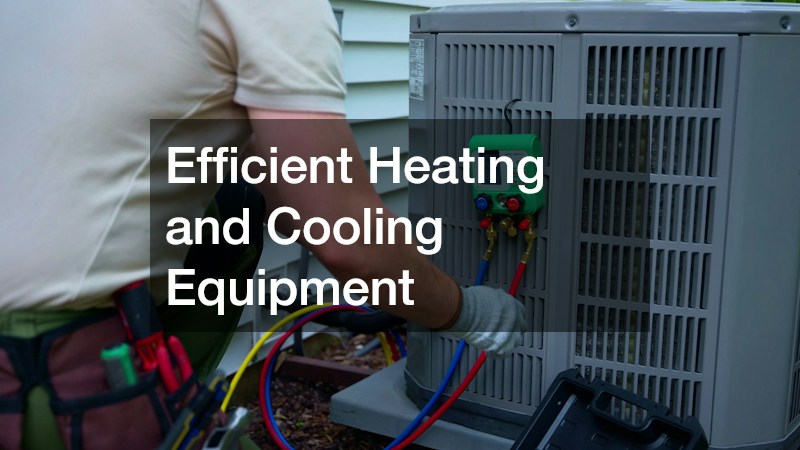
Heating and cooling often represent a substantial portion of household energy use. Equipment that is inefficient, incorrectly sized, poorly maintained, or nearing the end of its service life may consume more energy while providing inconsistent comfort.
A professional HVAC company can evaluate existing equipment and help homeowners understand whether repairs, adjustments, or replacement should be considered. If new equipment is necessary, proper sizing is particularly important. Bigger equipment is not automatically better and may create performance problems when it does not match the home’s requirements.
Homeowners should also consider the systems surrounding the HVAC equipment. Ductwork, insulation, air sealing, windows, doors, and thermostat controls can influence how effectively conditioned air keeps the home comfortable.
Zoning or improved controls may be useful in some properties, particularly when different areas have substantially different heating or cooling requirements.
Replacing equipment can be a major investment, so homeowners should evaluate the complete system instead of focusing exclusively on an efficiency rating. Proper installation, sizing, controls, and maintenance all contribute to how the equipment performs after it is installed.
Regular HVAC Maintenance for Better Energy Efficiency
Even efficient heating and cooling equipment requires maintenance. Dust, clogged filters, worn components, and other issues can interfere with normal performance and potentially cause the system to work harder than necessary.
Professional HVAC Service can help homeowners maintain equipment according to its design and manufacturer recommendations. The specific tasks involved depend on the type of heating and cooling system installed.
Homeowners can also contribute to routine maintenance by checking or replacing filters as appropriate and keeping vents and equipment areas free from unnecessary obstructions. Outdoor units should generally have appropriate clearance rather than being surrounded by accumulated leaves, vegetation, or other debris.
Changes in performance should not be ignored. Unusual noises, inconsistent temperatures, weak airflow, or unexpectedly long operating cycles can indicate that the system needs attention.
Regular maintenance also provides an opportunity to identify smaller problems before they contribute to a larger failure. An eco-friendly home is not simply a house filled with new equipment. Keeping existing systems functioning efficiently for as long as practical can also reduce unnecessary consumption and premature replacement.
Durable and Energy-Efficient Roofing
The roof is a major part of the building envelope, protecting the home while being continuously exposed to sunlight, precipitation, wind, and temperature changes. Its materials and condition can influence overall energy performance.
A professional roofing company can evaluate an existing roof and identify deterioration that may affect its ability to protect the structure. Homeowners considering replacement can discuss material options, durability, ventilation, and other factors relevant to their property.
Energy-efficient roofing is not limited to one particular material. Climate, roof design, insulation, ventilation, color, reflectivity, and installation all influence performance. A solution appropriate for one property may not be the best choice for another.
Durability is also an environmental consideration. Materials that perform reliably and are properly maintained may reduce the frequency with which roofing components need to be removed and replaced.
Roofing projects can also be coordinated with insulation or solar improvements. Planning these systems together can help homeowners avoid duplicated work while improving multiple parts of the home’s energy strategy.
An Efficient and Properly Functioning Air Conditioner
Air conditioning becomes particularly important during hot weather, when an inefficient or malfunctioning system may run for long periods while still struggling to maintain comfortable temperatures.
Professional air conditioning repair can address problems such as weak airflow, unusual sounds, inconsistent cooling, frequent cycling, or other performance changes. Homeowners should investigate these symptoms rather than simply lowering the thermostat and allowing the equipment to run longer.
The cause may not always be the air conditioner itself. Duct problems, poor insulation, air leakage, dirty filters, or other household conditions can contribute to cooling difficulties.
Routine maintenance and prompt repairs can help existing equipment operate as intended. When an older system develops increasingly frequent problems, homeowners may eventually consider whether replacement with newer equipment is appropriate.
Simple habits can contribute to efficiency as well. Reasonable thermostat settings, appropriate use of ceiling fans, management of direct sunlight, and maintaining airflow around vents can reduce unnecessary strain.
Efficient cooling combines reliable equipment with a home that does a good job of retaining the conditioned air the system produces.
Energy-Efficient Replacement Windows
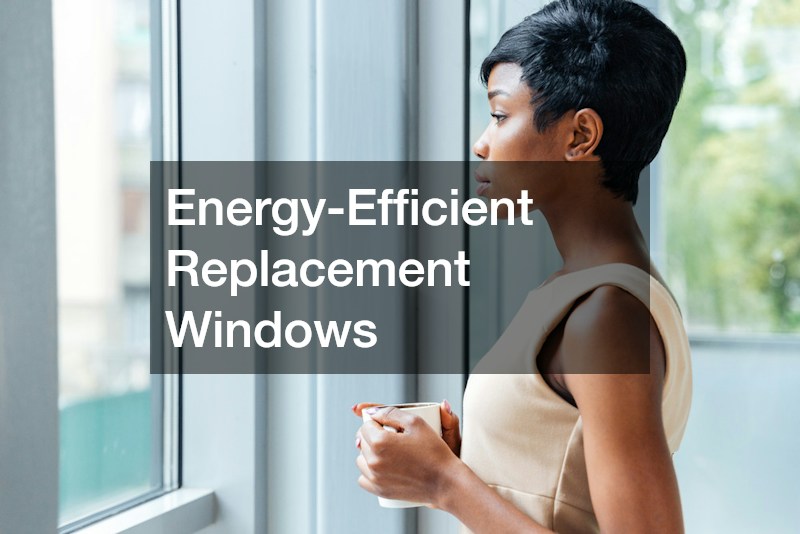
Windows provide natural light and outdoor views, but they are also part of the home’s thermal envelope. Older or deteriorated windows can contribute to uncomfortable temperatures and unwanted heat transfer.
A professional window replacement service can evaluate windows that are difficult to operate, visibly deteriorated, drafty, or otherwise performing poorly. If replacement is appropriate, homeowners can compare products based on characteristics suited to their climate and property.
Installation quality is just as important as the window itself. Gaps or poorly sealed areas around a high-quality replacement window can undermine some of the expected efficiency benefits.
Homeowners should not assume that every older window automatically requires replacement. In some cases, maintenance or improvements to surrounding areas may address the primary concern. The condition of frames, seals, glass, and installation should all be considered.
Replacement windows can also update the appearance of a home. Coordinating efficiency improvements with exterior design allows homeowners to address comfort and curb appeal through the same project.
Properly Sealed and Insulated Exterior Doors
Exterior doors are opened and closed repeatedly while also serving as part of the barrier between indoor and outdoor conditions. Aging doors, damaged weatherstripping, or poorly fitted frames can allow unwanted air movement.
Professional door installation can help make sure replacement doors fit and operate correctly. The door itself matters, but the surrounding frame, threshold, weatherstripping, and installation details also contribute to performance.
Homeowners can inspect exterior doors for noticeable drafts, visible gaps, damaged seals, difficulty closing, or deterioration around frames. Some issues may be addressed through maintenance, while others may indicate that replacement is worth considering.
Material selection should account for durability, maintenance, security, appearance, and energy performance. The appropriate choice can differ between a primary entrance, side door, and patio access point.
A properly installed door can contribute to a more comfortable interior by reducing uncontrolled air movement. When combined with efficient windows and adequate insulation, improvements around exterior openings can strengthen the overall performance of the building envelope.
High-Quality Windows That Reduce Energy Loss
Window efficiency is influenced not only by whether the windows are new but also by the quality of the products selected and how well they match the home’s needs. Glass configurations, frames, coatings, spacers, and installation methods can all influence performance.
A local window business can help homeowners compare options suited to their climate, architecture, and budget. Product ratings can provide useful information when evaluating energy characteristics rather than relying solely on appearance or marketing descriptions.
Window placement also affects indoor comfort. Openings that receive substantial direct sunlight may have different considerations from windows located primarily in shaded areas. Appropriate treatments or glazing options can help manage these differences.
Homeowners should consider durability and maintenance as well. A product that performs efficiently but requires upkeep the household is unlikely to complete may not be the most practical long-term choice.
High-quality windows can complement insulation, HVAC, and air-sealing improvements by helping the home maintain more consistent interior conditions. Considering these features as part of one larger efficiency strategy can produce better results than evaluating each component independently.
Effective Insulation Throughout the Home
Insulation is one of the most important components of an energy-efficient building envelope. It helps slow heat transfer between conditioned living spaces and surrounding areas, supporting both heating and cooling performance.
A professional insulation company can evaluate accessible areas and identify locations where insulation may be inadequate, damaged, or missing. Attics are common areas of focus, but walls, floors, crawl spaces, and other parts of the home may also influence energy performance.
Insulation works best when considered alongside air sealing and moisture management. Simply adding material without addressing significant air leaks or existing moisture problems may not solve the underlying issue.
Older homes can be particularly challenging because insulation standards and construction methods have changed over time. A professional evaluation can help homeowners understand existing conditions before deciding where improvements are appropriate.
Better insulation may also contribute to more consistent temperatures between rooms, reducing the workload placed on heating and cooling equipment.
Because insulation is largely hidden after installation, it may not provide the visual satisfaction of a kitchen or bathroom renovation. However, its contribution to comfort and energy efficiency can affect the entire home every day.
Creating an eco-friendly home is ultimately about using resources more thoughtfully. Renewable energy can play an important role, but efficiency begins by reducing unnecessary energy demand throughout the property. A home that loses conditioned air through inadequate insulation, poorly performing windows, or deteriorated doors may require more energy regardless of how that energy is generated.
The building envelope provides a logical starting point. Roofing, windows, exterior doors, and insulation work together to separate indoor living spaces from outdoor conditions. Improving weak areas can help maintain more consistent temperatures and reduce the demands placed on heating and cooling equipment.
Mechanical systems deserve similar attention. Efficient HVAC equipment can provide substantial benefits, but regular maintenance and timely repairs are necessary to support performance. Electrical improvements can further reduce unnecessary consumption and prepare the property for newer technologies.
Solar energy can complement these improvements by allowing suitable homes to generate a portion of their electricity from a renewable source. Coordinating solar installation with roofing and electrical planning can make the overall project more efficient.
Homeowners do not need to pursue every improvement simultaneously. An energy-conscious strategy can begin with an assessment of current conditions, followed by projects prioritized according to need, potential impact, and budget. In some homes, insulation may deserve attention first. In others, deteriorated windows, aging HVAC equipment, or an old roof may be the more pressing concern.
The most effective eco-friendly home is not necessarily the one with the greatest number of new products. It is a home where systems and materials work together efficiently, unnecessary energy loss is reduced, and existing components are maintained appropriately. By combining renewable energy, efficient equipment, a strong building envelope, and regular maintenance, homeowners can create more comfortable living spaces while reducing the resources required to operate them.

