

That creeping utility bill every month isn’t random, and it’s rarely caused by just one obvious thing. Most homeowners blame the weather or the power company, but the real culprits are often hiding in plain sight: aging equipment, clogged systems, drafty windows, and overgrown trees that mess with your home’s natural efficiency. The good news is that once you know where to look, many of these issues are fixable without a full remodel. This guide walks through the most common hidden drains on your energy and water costs, room by room and system by system.
Clogged Pipes Driving Up Water Heating Costs

Slow drains do more than annoy you during a shower; they force your water heater to work overtime because water sits longer in pipes, losing heat before it ever reaches the fixture. The longer hot water lingers in a partially blocked line, the more thermal energy it releases into the surrounding pipe and wall cavity, meaning your heater has to fire up more frequently just to maintain the temperature you’ve set. A buildup of grease, soap scum, mineral deposits, and hair restricts flow and creates pressure that your system has to compensate for, quietly nudging your utility bill upward every month. In homes with galvanized steel pipes, this problem compounds over time as corrosion and mineral scale narrow the interior diameter, sometimes cutting effective flow by 30% or more. Even a seemingly minor clog can force a water heater to run several extra minutes per cycle, which adds up to real dollars across a billing period. Many homeowners wait until a drain is fully blocked before addressing it, but by then the inefficiency has likely been costing them for weeks or months. Warning signs worth watching for include water that takes noticeably longer to heat up, inconsistent temperatures at the tap, or a water heater that cycles on more often than it used to. Scheduling a routine drain cleaning or pipe inspection once a year can catch these issues early, often for far less than the cumulative cost of the energy being wasted.
Mineral deposits, sediment, and soap scum gradually narrow the diameter of your pipes, forcing your water heater to work harder and run longer to deliver hot water where it’s needed. This added strain can increase heating costs by 10-15% and shortens the lifespan of your pump system. Over time, the appliance compensates by cycling more frequently, which shows up directly on your monthly utility bill. Scheduling routine drain cleaning before a clog becomes severe keeps water moving efficiently and reduces the strain on your water heater and pump systems. Most plumbers recommend a professional cleaning every 18 to 24 months, though homes with hard water or older galvanized pipes may need it annually. Simple habits like using drain screens and flushing lines with hot water monthly can also extend the time between service visits. It also helps avoid the kind of emergency plumbing visit that costs far more than a simple maintenance appointment. A routine cleaning typically runs $100-$250, while an emergency call for a fully blocked line or burst pipe can easily exceed $500 once after-hours fees and repairs are factored in. Catching the problem early protects both your plumbing system and your wallet.
- Slow-draining sinks or tubs often signal early-stage blockages from grease, soap scum, or mineral buildup
- Gurgling sounds from drains can indicate trapped air from buildup, especially in sediment-heavy pipes near the water heater
- Sediment accumulation forces your water heater to work harder, sometimes raising energy use by 10-15%
- Routine maintenance, like annual drain flushing, prevents costly emergency plumbing calls
- Clean pipes support consistent water pressure and heating efficiency, reducing strain on the system
- Scheduling a professional inspection every 1-2 years helps catch corrosion or scale buildup before it worsens
Aging Furnaces and Air Conditioners Working Overtime
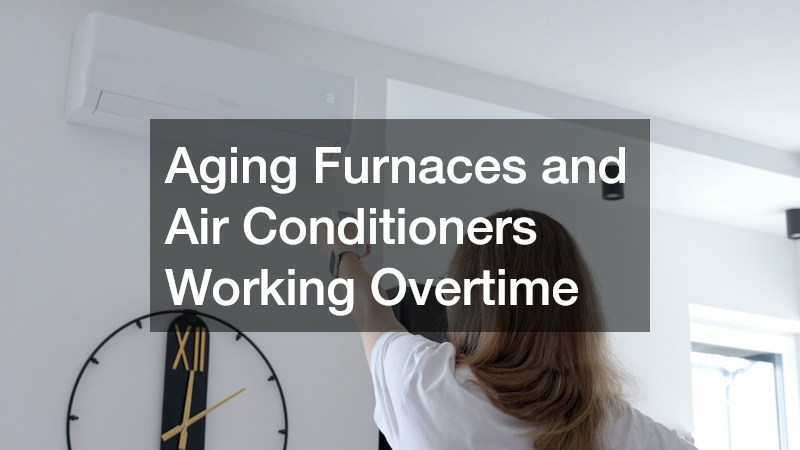
An HVAC system loses efficiency gradually, which means many homeowners don’t notice the decline until their bill jumps significantly. Dirty filters, worn-out blower motors, and refrigerant leaks all force the unit to run longer cycles to reach the same temperature it used to hit in minutes. This gradual strain is one of the most overlooked reasons utility costs climb year over year, even without any dramatic seasonal changes.
Bringing in a professional for HVAC repair at the first sign of trouble, such as inconsistent airflow or strange noises, often costs far less than letting the problem compound. A unit operating at reduced efficiency can use considerably more energy to produce the same results, and catching the issue early protects both your comfort and your wallet.
- Replace or clean filters every one to three months
- Watch for uneven heating or cooling between rooms
- Unusual noises often mean a part is failing
- Annual tune-ups catch small issues before they become expensive
Outdated Heating Systems Losing Efficiency

If your furnace or boiler is more than fifteen years old, it’s likely operating well below the efficiency standards of newer models, even if it still technically works. Older systems often lack the sealed combustion and modulating technology that newer units use to minimize wasted fuel. This means you could be paying significantly more to heat your home than a neighbor with a newer, properly sized system.
Reaching out to local heating companies for an efficiency assessment can reveal whether a repair will suffice or whether replacement makes more financial sense long term. Many of these companies also offer financing or rebate guidance, since upgrading an inefficient system often pays for itself within a few years through lower monthly costs.
- Systems older than 15 years often run at reduced efficiency
- Yellow pilot lights can indicate incomplete combustion and wasted fuel
- Frequent cycling on and off suggests improper sizing
- Rebates are often available for high-efficiency replacements
Drafty Windows Letting Conditioned Air Escape
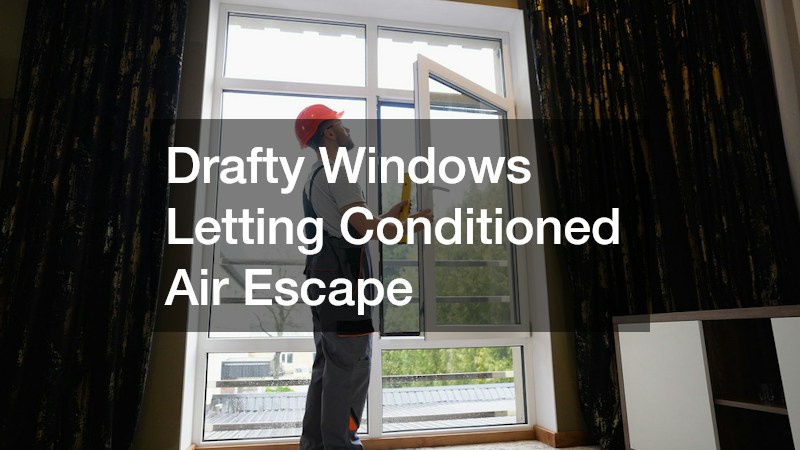
Windows are one of the biggest sources of hidden energy loss in a home, especially if they’re original to a house built decades ago. Single-pane glass, warped frames, and failed seals let heated or cooled air slip outside while letting outdoor temperatures seep in. The Department of Energy estimates that drafty windows can account for 25 to 30 percent of residential heating and cooling energy use, which is a substantial chunk of any utility bill. Many people feel a draft and assume it’s minor, but over a full season that constant air exchange adds up to real dollars. A simple way to check is the candle or tissue paper test: hold either near the window frame on a windy day and watch for flickering or movement, which signals air infiltration even when you can’t feel it with your hand. Older double-hung windows are frequent offenders because their sash ropes, weights, and weatherstripping degrade over time, creating gaps that worsen year after year. Condensation between panes on double-glazed windows is another red flag, indicating the seal has failed and the insulating gas has leaked out. In many cases, caulking, new weatherstripping, or storm windows can close the gap affordably before full replacement becomes necessary.
Before assuming your windows are the problem, try the simple candle or tissue test on a windy day: hold it near the sash and frame to see if air movement makes the flame flicker or the tissue flutter. Drafts around the edges usually point to failed weatherstripping or settling frames rather than the glass itself, which means caulk or new seals might solve the issue for far less money than full replacement. If testing confirms the glass itself is the weak link, consulting a window replacement contractor about energy-efficient double or triple-pane options can make a noticeable difference in comfort and cost. Look for products with low-E coatings and argon or krypton gas fills between panes, which slow heat transfer far better than standard glass. Many homeowners see utility savings of 7-15% annually after upgrading from single-pane to double or triple-pane windows, depending on climate and home size. That said, the product is only half the equation. A skilled window installer will also check that frames are properly sealed and insulated during installation, since a poor installation can undercut even the best window’s performance. Gaps behind the frame, missing flashing, or skimped insulation can let conditioned air leak out regardless of how advanced the glass package is, so proper fitting matters just as much as the window itself.
- Condensation or fogging between panes signals a failed seal, meaning the insulating gas has escaped and the window is losing much of its efficiency
- Drafts near closed windows, even when locked, mean air is leaking through gaps in the frame or worn weatherstripping
- A simple test: hold a lit candle or damp hand near the window frame on a windy day to feel for air movement
- Energy-efficient glass, like double or triple-pane with low-E coatings, reduces both heating and cooling costs year-round
- Look for an ENERGY STAR rating or low U-factor and SHGC numbers when comparing replacement options
- Proper installation matters as much as the window itself, since gaps around the frame can undo even premium glass performance
- Hiring a certified installer and ensuring proper flashing and sealing can prevent costly leaks down the road
Roofing Materials That Affect Indoor Temperature
The roof over your head does more than keep out rain; it plays a major role in regulating indoor temperature. Dark asphalt shingles absorb heat and can raise attic temperatures significantly in the summer, forcing your cooling system to work harder. Reflective roofing materials, on the other hand, can reduce that heat transfer and ease the load on your HVAC system.
Many homeowners switching to more efficient materials consult a metal roofing contractor, since metal roofing reflects solar heat rather than absorbing it, which can translate into lower cooling costs during warmer months. It also tends to last longer than traditional shingles, which means fewer replacement cycles and less long-term expense overall.
- Reflective roofing reduces attic heat buildup
- Proper attic insulation works hand in hand with roofing choice
- Metal options often come with longer warranties than shingles
- Light-colored materials reflect more solar radiation than dark ones
Overgrown Trees Blocking Airflow and Sunlight
Trees provide valuable shade, but when branches grow too close to your home, they can block airflow around your HVAC unit and trap humidity against your siding. This creates a cycle where your cooling system struggles to dissipate heat properly, running longer than necessary. Overhanging limbs can also drop debris into gutters and onto roofing, creating additional maintenance headaches that indirectly affect your home’s efficiency.
Hiring a tree removal service to clear branches away from your outdoor unit and roofline helps restore proper airflow and reduces strain on your cooling system. This is especially important heading into summer, when every bit of unobstructed airflow helps your HVAC system run as efficiently as possible.
- Keep at least two to three feet of clearance around outdoor units
- Overhanging branches can trap moisture against roofing and siding
- Falling debris can clog gutters and downspouts
- Thinning dense canopies allows better airflow and sunlight balance
Appliances Hiding in Poorly Organized Laundry Spaces
Washers and dryers are some of the biggest energy consumers in a home, and poor ventilation or disorganization in the laundry room can make them work harder than necessary. A dryer vent blocked by lint or crowded by clutter forces the appliance to run longer cycles to fully dry clothes. Over time, this translates into higher electricity usage that many homeowners never trace back to the laundry room.
Installing well-planned laundry room cabinets can improve airflow around appliances and keep vents and hoses accessible for regular cleaning, rather than hidden behind stored items. This small investment in organization often leads to more efficient appliance performance and fewer unnecessary repair calls over time.
- Clean dryer lint traps after every single load
- Keep at least a few inches of clearance around washer and dryer vents
- Organized storage prevents accidental blocking of exhaust vents
- Regularly inspect hoses for kinks that restrict airflow
Shade Structures That Reduce Cooling Demand
Direct sunlight hitting windows and patio doors throughout the day can significantly raise indoor temperatures, especially on the sun-facing side of a house. This forces air conditioning systems to run more frequently just to maintain a comfortable baseline temperature. Many homeowners don’t realize how much of their cooling costs stem simply from unshaded glass surfaces.
Working with an awning company to install retractable or fixed shade structures over windows and patios can meaningfully cut down on solar heat gain. This simple addition not only lowers cooling costs but also protects furniture and flooring from sun damage, making it a practical upgrade for both comfort and long-term home maintenance.
- South and west-facing windows typically receive the most direct sun
- Retractable awnings offer flexibility across seasons
- Shaded outdoor spaces reduce heat transfer into the home
- Awnings can lower surface temperatures on nearby windows significantly
Rising utility bills rarely come from a single dramatic failure; they’re usually the sum of several small inefficiencies working against you at once. By walking through your plumbing, heating and cooling systems, windows, roofing, and even your landscaping, you can pinpoint exactly where your money is slipping away. Start with the easiest fixes, like cleaning drains and dryer vents, then work toward bigger investments like window or roofing upgrades as your budget allows. Taking a proactive, room-by-room approach now will pay off in lower bills and fewer surprises for years to come.

