
Many homeowners assume that a beautiful yard and an eco-friendly one are two different goals that require separate budgets and compromises. The truth is that thoughtful outdoor design can deliver both stunning curb appeal and measurable environmental benefits at the same time. From water conservation to reduced runoff and healthier soil, the choices you make outside your home have ripple effects far beyond aesthetics. This guide walks through practical, research-backed ways to create an outdoor space that looks incredible while treading lightly on the planet.
Starting With a Plan That Balances Beauty and Sustainability
Every successful outdoor transformation begins with a clear vision that accounts for both style and environmental performance. Professional landscape design services can help homeowners map out plant placement, water flow, and material choices before a single shovel hits the ground. This upfront planning prevents costly mistakes like overwatering, poor drainage, or plant selections that struggle in local climate conditions. A well-thought-out design also considers how sunlight, soil type, and existing vegetation interact with new features.
- Assess your yard’s sun exposure and drainage patterns before selecting plants or materials
- Group plants with similar water needs together to reduce waste
- Choose native or adapted species that thrive without excessive irrigation
- Plan pathways and seating areas to minimize disruption to existing greenery
Finding the Right Expertise for Your Project
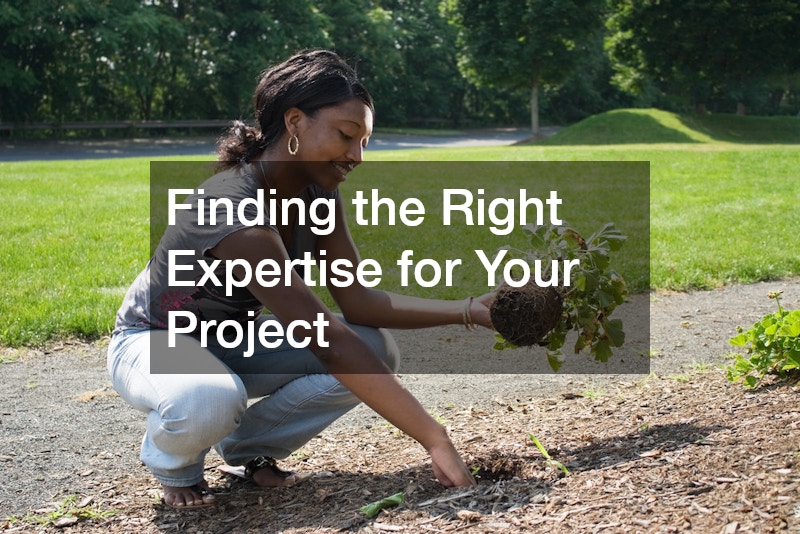
Even the best design ideas need skilled hands to bring them to life correctly and efficiently. A qualified landscaping contractor understands how to grade soil properly, install irrigation systems that minimize water loss, and select materials suited to your region’s climate. Hiring someone with a track record of sustainable installations can mean the difference between a yard that thrives for decades and one that requires constant costly repairs. Ask potential contractors about their experience with erosion control, native plantings, and permeable surfaces.
- Request references and photos of completed projects similar to your vision
- Confirm they carry proper licensing and insurance for your area
- Ask how they handle soil health and long-term plant survival
- Discuss timeline and maintenance expectations upfront
Blending Function and Style With Solid Surfaces
Patios, walkways, and driveways are often the backbone of an outdoor space, and how they’re built matters just as much as how they look. Quality hardscape services can incorporate permeable pavers or gravel systems that allow rainwater to filter back into the ground instead of running off into storm drains. This reduces flooding risk and helps replenish groundwater naturally. Many homeowners are surprised at how many stylish options exist beyond traditional solid concrete slabs.
When a solid, durable surface is the right call, modern concrete services offer more eco-conscious options than most people realize. Permeable concrete, lighter-colored mixes that reduce heat absorption, and recycled aggregate blends are all viable choices that lower environmental impact without sacrificing durability. These materials also tend to last longer, which means less material waste over time from repairs or replacement. Discussing these alternatives with your installer can help you find a balance between longevity, cost, and sustainability.
- Permeable pavement reduces stormwater runoff and erosion
- Lighter-colored concrete reflects heat, reducing the urban heat island effect
- Recycled aggregate concrete lowers demand on virgin materials
- Sealed surfaces last longer and require fewer resource-intensive repairs
Using Natural Ground Cover Alternatives
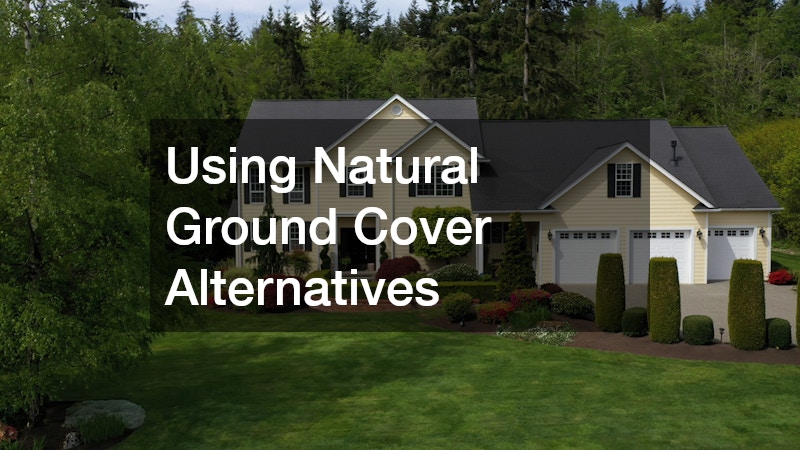
Not every surface in your yard needs to be grass or pavement, and this is where natural ground materials shine both visually and functionally. Decorative rock is an increasingly popular choice for xeriscaping because it requires no watering, mowing, or fertilizing once installed. It also helps suppress weeds and retain soil moisture around nearby plants, reducing the need for chemical treatments. Beyond the practical benefits, rock beds add texture and visual contrast that make garden beds and pathways look intentional and polished.
- Rock ground cover eliminates the need for regular watering or mowing
- Different colors and sizes create visual variety without added maintenance
- Rock beds help regulate soil temperature for nearby plants
- Ideal for drought-prone regions or water-restricted areas
Protecting the Trees That Anchor Your Landscape
Mature trees are among the most valuable environmental assets a property can have, offering shade, oxygen production, and habitat for local wildlife. Partnering with a reputable tree care company ensures your trees receive proper pruning, fertilization, and pest management throughout the year. Healthy trees also increase property value and reduce energy costs by providing natural cooling in summer months. Regular checkups can catch small issues before they become expensive or hazardous problems.
Certified arborists bring a level of expertise that goes beyond basic trimming, diagnosing diseases and structural weaknesses that untrained eyes might miss. They can recommend targeted treatments that protect tree health without relying on broad chemical applications that harm surrounding ecosystems. Their guidance also helps homeowners understand which species will thrive long-term in their specific soil and climate conditions. Investing in this expertise upfront often saves significant money and prevents safety hazards down the road.
- Schedule annual inspections to catch disease or structural issues early
- Proper pruning improves airflow and reduces pest infestations
- Mulching around tree bases conserves water and regulates soil temperature
- Avoid excessive trimming, which can stress trees and reduce their lifespan
Recognizing When a Tree Needs to Come Down
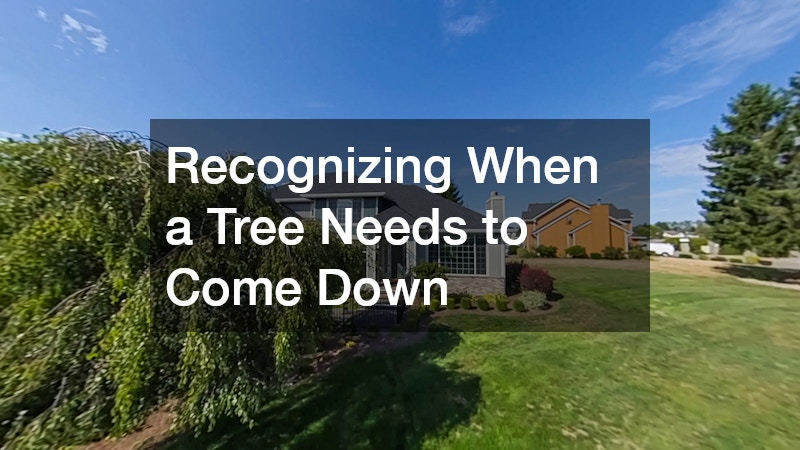
While preserving mature trees is usually the goal, there are situations where removal is the safer and more responsible choice. Dead, diseased, or structurally compromised trees can pose serious risks to homes, power lines, and people, making professional tree removals necessary rather than optional. Warning signs include large dead branches, fungal growth at the base, cracks running along the trunk, or a noticeable lean that has developed suddenly rather than over years.
An arborist’s assessment can help determine whether a tree is salvageable through pruning and treatment or whether removal is truly the only safe option. Factors like root damage, hollow trunks, and proximity to structures all weigh into that decision. In many cases, a tree that looks healthy from a distance may already have internal decay that only a trained eye can detect.
Removing a hazardous tree also protects the health of surrounding vegetation that could be affected by spreading disease or pests, such as emerald ash borer or oak wilt, which can move quickly between neighboring trees if left unchecked. Acting early on a compromised tree often prevents a small problem from becoming a costly landscape-wide loss.
Responsible removal services often include options for repurposing the wood into mulch, lumber, or furniture, or grinding stumps to minimize waste and restore the usable footprint of the yard. Some companies will even mill larger trunks into slabs for benches or garden features, giving the tree a second life within the same outdoor space it once shaded.
- Look for signs like large dead branches, fungal growth at the base, or a trunk leaning more than 15% from vertical
- Check for cracks, cavities, or peeling bark that exposes decayed wood underneath
- Root damage near foundations, sidewalks, or utility lines may indicate removal is needed
- Watch for thinning canopy or early leaf drop, which can signal internal decline
- Consult a certified arborist for a professional risk assessment before deciding
- Ask about wood recycling or mulching options after removal to reduce landfill waste
- Repurpose larger logs as garden borders, seating, or decorative features on-site
- Replant with a suitable native or climate-adapted species to maintain canopy cover over time
- Choose replacement trees sized appropriately for the space to avoid future conflicts with structures
Keeping Grass Green Without Wasting Resources
A healthy lawn doesn’t have to come at the expense of excessive water and chemical use. Professional lawn care services increasingly focus on soil health, proper mowing height, and targeted fertilization rather than blanket treatments that waste resources. Instead of applying fertilizer on a fixed calendar, many providers now test soil composition first, adjusting nutrient applications to what the lawn actually needs rather than a one-size-fits-all formula.
Aerating soil and overseeding with drought-resistant grass varieties, such as fescue or buffalo grass blends, can dramatically reduce the water a lawn needs to stay green. Aeration alone loosens compacted soil so roots grow deeper, allowing grass to access moisture further underground and survive dry spells with less supplemental watering.
Smart irrigation timing, based on actual weather conditions rather than a fixed schedule, also cuts down on unnecessary water use significantly. Weather-based controllers can reduce outdoor water consumption by 20 to 30 percent by skipping cycles after rainfall or adjusting runtime during cooler, less evaporative periods.
Mowing height matters too: keeping grass at three to four inches rather than cutting it short encourages stronger root systems, shades out weeds naturally, and reduces the need for herbicides. Together, these practices show that a vibrant, inviting lawn can be maintained through smarter management rather than heavier resource use.
- Mow at a higher blade setting (about 3 to 4 inches) to encourage deeper, more resilient roots that hold moisture longer
- Keep mower blades sharp and only cut off the top third of grass blades at a time to reduce plant stress
- Aerate compacted soil once or twice a year, ideally in early fall or spring, to improve water absorption and root growth
- Choose drought-tolerant grass seed suited to your climate zone, such as fescue or buffalo grass for drier regions
- Overseed thin patches with the same drought-tolerant variety to maintain even coverage without extra watering
- Use smart sprinkler controllers that adjust based on rainfall, soil moisture, and evapotranspiration data
- Water early in the morning, between 4 and 9 a.m., to minimize evaporation loss and fungal growth
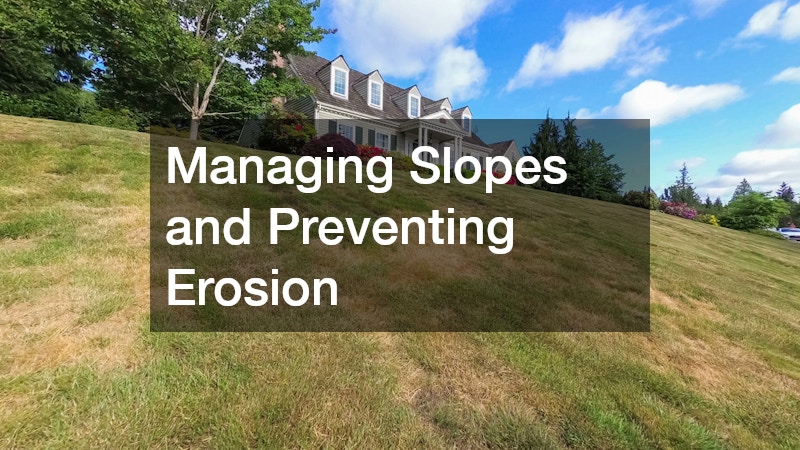
Managing Slopes and Preventing Erosion
Sloped yards present unique challenges, from soil erosion to water pooling in unwanted areas, and addressing these issues improves both function and appearance. A skilled retaining wall contractor can design structures that hold back soil while incorporating drainage systems that prevent water damage over time. These walls also create usable flat spaces for gardens, seating areas, or additional plantings that might not otherwise be possible on uneven terrain. Choosing natural stone or textured block materials keeps these structures blending naturally into the surrounding landscape.
- Retaining walls reduce topsoil loss during heavy rain events
- Proper drainage behind the wall prevents pressure buildup and cracking
- Terracing steep yards creates more usable outdoor space
- Natural materials help walls blend with existing landscaping features
Choosing Materials and Practices That Age Well
Long-term environmental impact often comes down to how well your outdoor choices hold up over the years. Materials that require frequent replacement generate more waste and consume more resources than options built to last decades. A composite deck board, for instance, can last 25-30 years with minimal upkeep, while untreated softwood may warp, rot, or need replacing within 7-10 years, tripling the material and labor footprint over the same span.
Considering the full lifecycle of a product, from raw material extraction and manufacturing to installation and eventual disposal, helps homeowners make smarter decisions upfront. Natural stone or reclaimed brick, for example, carries a higher upfront cost but can outlast synthetic pavers by generations, and it’s often recyclable or repurposable when a redesign happens. Weigh embodied carbon alongside price tag: a cheaper product manufactured with high energy inputs may cost the planet more than a pricier, durable alternative.
Small choices, like selecting weather-resistant finishes, rust-proof hardware, or UV-stable sealants, add up to significant reductions in long-term resource use. Low-maintenance plantings, such as native perennials and drought-tolerant grasses, cut back on water, fertilizer, and pesticide use while requiring less frequent replanting after seasonal stress. Together, these decisions shrink the maintenance cycle and the cumulative environmental cost that comes with it.
- Choose weather-resistant materials like powder-coated steel, composite decking, or sealed natural stone to reduce replacement frequency
- Ask about warranty periods when comparing product options, since 15-25 year warranties often signal better durability
- Favor low-maintenance, native or drought-tolerant plants that need less water and fertilizer over time
- Group plants by similar water needs to simplify irrigation and cut waste
- Consider how materials will be disposed of or recycled at end of life, favoring modular pieces that can be repaired or replaced in parts
- Check if manufacturers offer take-back or recycling programs for old materials
- Test small samples outdoors for a season before committing to large-scale installations
Creating an outdoor space that’s both beautiful and environmentally responsible isn’t about choosing one over the other, it’s about making informed decisions at every stage of the process. From the plants you select to the surfaces you walk on, small choices add up to a yard that supports the environment while boosting your home’s appeal. Take time to research your options, ask questions, and consult professionals who understand sustainable practices before starting your next project. Your outdoor space can be a source of pride and a positive contribution to the environment for years to come.

