

Extreme weather is becoming more frequent and more costly, and the average homeowner is left wondering how to protect their biggest investment without draining their savings. The good news is that building or retrofitting a home for storm resilience often overlaps directly with making it more energy-efficient and cheaper to run. From the foundation to the roofline, the choices you make now determine whether a severe storm means a minor inconvenience or a major financial setback.
This guide walks through the practical systems and upgrades that help a home withstand harsh weather while also lowering long-term costs.
Reinforcing Your Foundation Against Water Damage
A home’s resilience starts well below ground level, and the foundation is often the first casualty of heavy storms and poor drainage. Water pooling around a foundation can weaken soil stability over time, leading to cracks, shifting, and costly structural repairs down the road. One increasingly popular solution among builders is flowable fill, a self-leveling mixture used to stabilize soil and fill voids around foundations and utility trenches. Because it compacts without the need for heavy equipment, it reduces the risk of settling that often causes water infiltration after storms.
Beyond the pour itself, proper grading and drainage planning around the foundation make a significant difference during periods of heavy rain. Homeowners should also consider how water moves away from the structure, not just how it’s kept out initially.
- Slope soil away from the foundation at a minimum of six inches over ten feet
- Install French drains in areas prone to standing water
- Use flowable fill when backfilling around new foundations or repairs
- Inspect foundation walls annually for hairline cracks after freeze-thaw cycles
Choosing Roofing Materials That Withstand Severe Weather
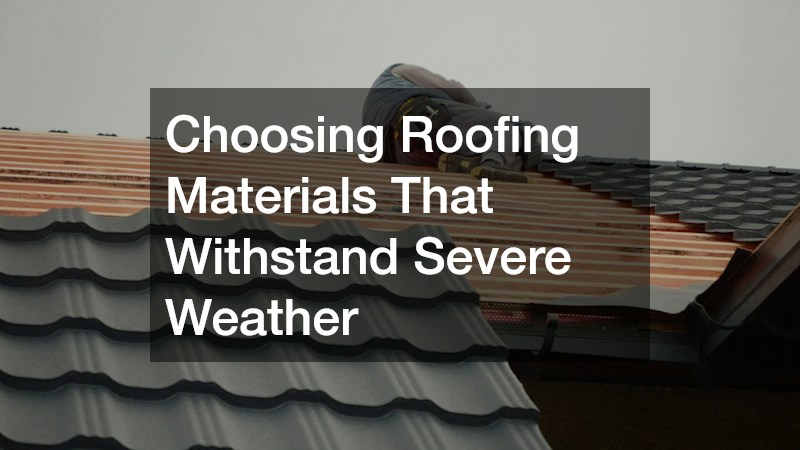
The roof takes the brunt of wind, hail, and debris during a storm, which makes material selection one of the most important decisions a homeowner can make. Standard asphalt shingles typically handle winds up to 60-80 mph, while impact-resistant options rated Class 4 can withstand hail and gusts exceeding 110 mph, making the upgrade worthwhile in regions prone to severe weather. Composite metal decking has gained traction in both residential and commercial construction because it combines structural steel with a concrete topping layer, creating a roofing and flooring base that resists impact and extreme wind uplift far better than traditional materials.
This hybrid system distributes structural loads more evenly across the roof deck, reducing the risk of localized failure points where high winds often cause the most damage. It also holds up well against fire and pest-related deterioration, two issues that can quietly weaken conventional wood-based decking over time. This layered approach also adds thermal mass, which can help regulate indoor temperatures and reduce heating and cooling costs over time. The concrete layer absorbs heat during the day and releases it slowly, easing the workload on HVAC systems and potentially cutting energy bills by a noticeable margin depending on climate and insulation quality.
Homeowners weighing this option should also factor in longevity and maintenance costs, since composite metal decking systems often last 40 to 50 years with minimal upkeep compared to the 15 to 20-year lifespan of standard asphalt roofing. While the upfront installation cost runs higher, the combination of storm resilience, energy savings, and reduced replacement frequency makes it a strong long-term investment for homeowners in storm-prone areas.
Composite metal decking combines steel panels with a concrete topping, creating a roof substrate that resists uplift, impact, and moisture infiltration far better than traditional plywood sheathing. While this approach is more common in larger builds, commercial structures, or home additions with expanded framing, homeowners renovating an existing roof structure should still ask contractors whether it fits their project. It’s particularly worth considering in regions prone to hail, high winds, or heavy snow loads. The tradeoff is cost: composite metal decking typically runs higher upfront than standard sheathing, both in materials and labor, since installation often requires structural adjustments to support the added weight.
However, it can meaningfully extend the lifespan of a roof system, sometimes by decades, which translates into fewer replacements and repairs after major storms. Over a 20- to 30-year span, those savings on emergency repairs and premature reroofing can offset much of the initial investment, making it a worthwhile conversation to have before finalizing a renovation budget.
Protecting Exterior Walls From Wind and Impact
Siding does more than improve curb appeal; it acts as the first line of defense against wind-driven rain, flying debris, and temperature swings. Working with experienced siding contractors early in a build or renovation ensures that the material chosen is rated for local wind zones and properly installed with the correct fastening pattern. Improperly installed siding is one of the most common causes of water intrusion after storms, even when the material itself is high quality.
Fiber cement, engineered wood, and insulated vinyl all offer different levels of impact resistance and energy performance, so it’s worth discussing climate-specific recommendations before committing to one option.
- Fiber cement siding resists fire, rot, and impact better than standard vinyl
- Insulated siding adds an extra layer of thermal protection, cutting energy bills
- Proper flashing around windows and doors prevents water from getting behind panels
- Regular inspections after storms catch loose panels before they become bigger problems
Keeping Your Heating and Cooling Systems Storm Ready
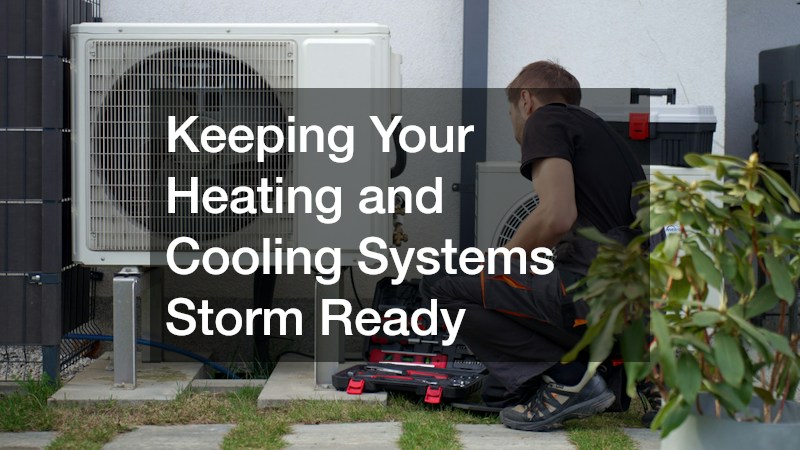
Severe weather doesn’t just threaten the exterior of a home; it can also knock out power and damage HVAC equipment, leaving families without climate control when they need it most. Surges from lightning strikes or power restoration after an outage can fry circuit boards and compressors, turning a minor storm inconvenience into a costly repair bill. Scheduling regular maintenance with local heating contractors before storm season hits can catch small issues, like worn electrical connections or clogged filters, before they turn into system failures.
A seasonal tune-up typically includes checking refrigerant levels, tightening electrical connections, inspecting ductwork for leaks, and testing the thermostat’s calibration. Many local heating contractors also recommend installing a whole-house surge protector at the electrical panel, which runs a few hundred dollars but can prevent thousands in damage to sensitive HVAC components. Homeowners should also consider pairing routine maintenance with a backup plan, such as a portable generator sized to run the furnace or air handler during extended outages. A well-maintained furnace or heat pump is also significantly more efficient, which helps lower monthly utility bills year-round, often by 10 to 15 percent compared to a neglected system. Replacing air filters every one to three months and keeping outdoor units clear of debris are simple steps that extend equipment life between professional visits.
Cooling systems deserve the same attention, especially in regions where summer storms and heat waves overlap. Units older than 10-12 years, or those requiring frequent repairs, are prime candidates for replacement rather than ongoing patchwork fixes. An aging air conditioning replacement is often more cost-effective than continuing to repair an outdated unit, particularly since newer models are built to meet stricter energy efficiency standards, with many ENERGY STAR-certified systems cutting cooling costs by 10-20% compared to units from a decade ago. Timing matters too.
Replacing an inefficient system before it fails unexpectedly during a heat wave can prevent both discomfort and emergency repair costs, which tend to spike when demand surges across an entire region during extreme weather. Scheduling a replacement in spring or fall, before peak season strain hits, often means shorter wait times and better pricing from contractors. Beyond age and efficiency, consider storm-specific vulnerabilities like exposed outdoor condenser units, which can be damaged by flying debris or flooding. Installing a protective cage, elevating the unit on a stand in flood-prone areas, and ensuring proper drainage around the pad are simple steps that extend equipment life and reduce the odds of a costly mid-storm breakdown.
Responding Quickly When Your AC Breaks Down Mid-Storm
Even well-maintained systems can fail unexpectedly, especially after power surges caused by lightning strikes or grid instability during severe weather. Knowing the warning signs of a failing unit, such as strange noises, weak airflow, or inconsistent temperatures, can help homeowners act before a complete breakdown occurs. Prompt AC repair after a storm not only restores comfort but also prevents further strain on electrical components that may have been damaged during the outage.
It’s worth having a trusted technician’s contact information on hand before storm season begins rather than searching for one during an emergency. Homeowners who schedule a post-storm inspection, even when the system seems to be working fine, often catch hidden issues early.
- Surge protectors can prevent costly damage to HVAC electrical components
- Strange smells or sounds after a storm often indicate water intrusion into the unit
- Delaying repairs can shorten the overall lifespan of the system
- Annual tune-ups reduce the likelihood of storm-related breakdowns
Maintaining Gutters and Drainage Systems Year-Round
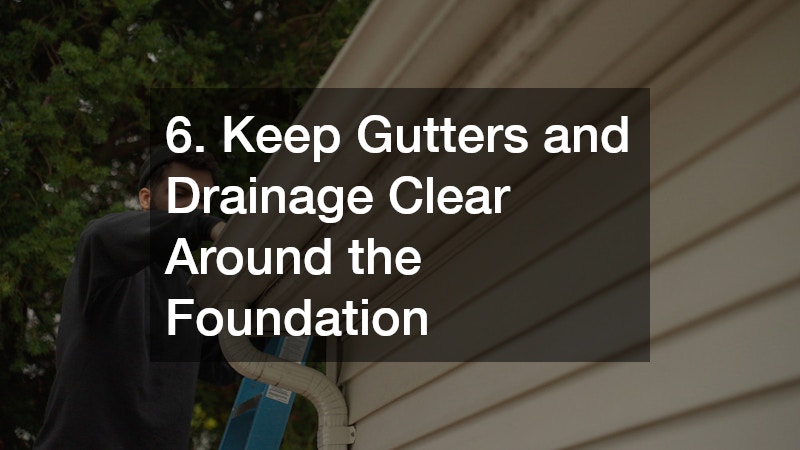
Gutters play a bigger role in storm resilience than most homeowners realize, directing water away from the roof, siding, and foundation before it can cause damage. Clogged or damaged gutters during a heavy storm can lead to overflow that seeps into walls or pools around the foundation, undoing the benefits of other storm-proofing investments. Partnering with a reliable gutter business for seasonal cleaning and inspection helps ensure the system functions properly when it matters most.
Upgrading to seamless gutters or adding gutter guards can further reduce maintenance needs and improve performance during intense rainfall. These upgrades are relatively inexpensive compared to the water damage repairs they help prevent.
- Clean gutters at least twice a year, more often near overhanging trees
- Check that downspouts extend at least five feet from the foundation
- Inspect for sagging sections that indicate hidden water weight or damage
- Consider gutter guards in storm-prone areas to reduce debris buildup
Protecting Your Family With a Dedicated Safe Room
For homeowners in regions prone to tornadoes or hurricanes, having a reinforced space to retreat to can be the difference between life and death. Storm shelters, whether built into a basement, garage, or as a standalone structure, are designed to withstand extreme wind speeds and flying debris that standard home construction cannot. Many manufacturers now offer prefabricated options that can be installed relatively quickly compared to a fully custom build.
When planning a shelter, location and accessibility matter just as much as the structure itself. A shelter that’s difficult to reach during an actual emergency defeats its purpose, so placement should be a priority from the earliest planning stages.
- Below-ground shelters typically offer the highest level of protection
- Aboveground safe rooms work well when flooding is a greater concern than wind
- Shelters should be rated to FEMA or ICC 500 standards for reliable protection
- Keep emergency supplies stocked inside, including water, flashlights, and a first aid kit
Maintaining Essential Utilities Before and After a Storm
Storms can disrupt more than visible structures; underground and mechanical systems often take hidden damage that homeowners don’t notice until problems surface weeks later. Septic tank pumping on a regular schedule prevents backups that can become significantly worse when heavy rainfall saturates the surrounding drain field. Homes relying on septic systems should have them inspected after any major flooding event to check for infiltration or damage to the tank and lines.
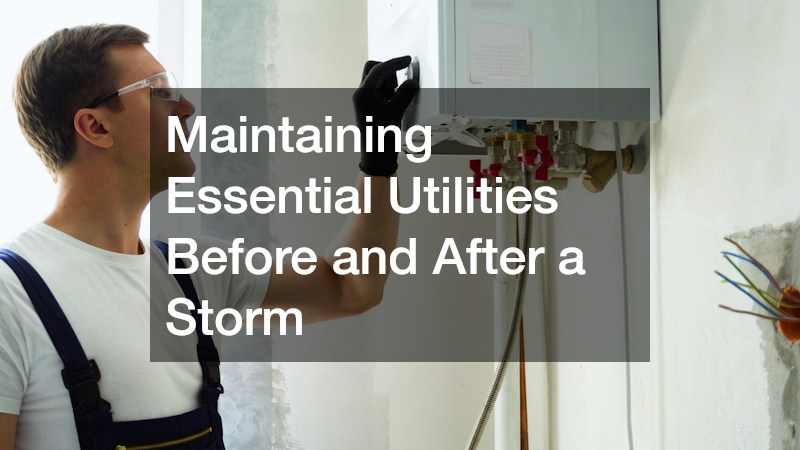
Hot water is another utility people often take for granted until it’s gone, and storm-related power outages or surges can damage water heating equipment unexpectedly. Scheduling routine water heater services helps extend the appliance’s lifespan and ensures it’s running efficiently, which keeps monthly utility costs down even outside of storm season. Catching a slow leak or sediment buildup early can prevent a complete tank failure right when a household needs reliable hot water most.
Conclusion
Building a storm-resilient home isn’t about a single upgrade but a combination of smart choices across the entire structure, from the foundation to the utilities running through it. Many of these improvements pay for themselves over time through lower energy bills, fewer emergency repairs, and reduced insurance costs. Start by assessing which systems in your home are oldest or most vulnerable, then prioritize upgrades based on your region’s specific weather risks. Taking a proactive approach now means facing the next major storm with confidence instead of costly surprises.

