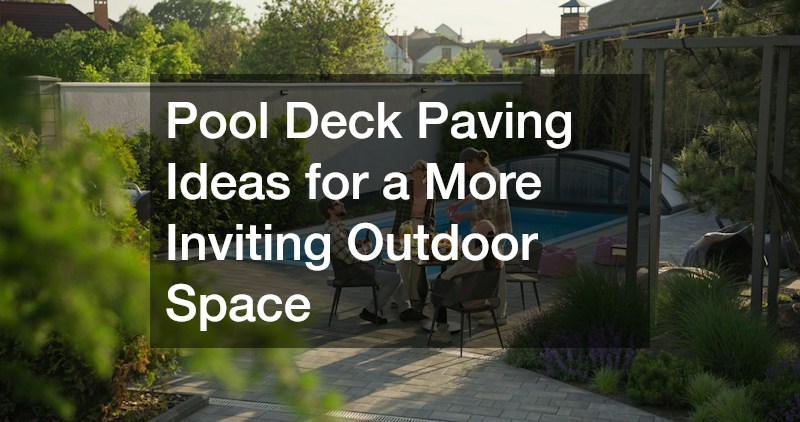
A pool area can become one of the most enjoyable parts of a home when the surrounding space is comfortable, attractive, and designed for everyday use. The surface around a swimming pool plays an important role in the overall appearance and functionality of the area. From entertaining guests to relaxing beside the water, the right design can help create an outdoor space that feels welcoming and cohesive.
Exploring different pool deck paving ideas can make it easier to choose a look that complements the home while supporting the needs of the household.
Choose Materials That Complement Your Home
One of the first considerations for a pool deck is the material used for the surrounding surface. Different paving materials can create dramatically different appearances, so homeowners should consider how the pool area will coordinate with the architecture, landscaping, and other outdoor features.
Natural stone can provide an organic, upscale appearance that works well with lush landscaping and traditional or contemporary homes. Concrete pavers offer flexibility because they are available in numerous shapes, textures, and finishes. Brick can create a classic appearance, while large-format materials can contribute to a cleaner, more modern aesthetic.
The colors and patterns selected can also influence how spacious the pool area feels. Lighter surfaces may create an airy appearance, while darker tones can provide contrast around bright water. Coordinating the paving with nearby walkways, patios, retaining walls, or outdoor kitchens can help the entire property feel more connected.
Create Defined Spaces Around the Pool
A pool deck does not have to function as one large, uninterrupted surface. Thoughtful design can divide the area into different zones for swimming, lounging, dining, and entertaining. Creating these distinctions can make the outdoor space more useful without requiring physical walls or barriers.
For example, a wider paved area beside the pool can accommodate lounge chairs and small tables. A separate section farther from the water could provide room for an outdoor dining set. If the property includes a fire feature or outdoor kitchen, paving can visually connect those amenities while still giving each area its own purpose.
Patterns can also help define individual spaces. Changing the direction of pavers, incorporating borders, or using complementary materials can subtly distinguish one section from another. These details can add visual interest without making the overall design feel overly complicated.
Add Patterns, Borders, and Decorative Details
Decorative elements can give a pool area more personality. Simple borders are one way to frame the pool and create a polished transition between the water and surrounding surface. A contrasting border can emphasize the shape of the pool while helping the surrounding area look intentionally designed.
Geometric patterns can also provide visual interest. Herringbone, basket-weave, running-bond, and other arrangements can change the character of a paved surface. Homeowners who prefer a contemporary style may gravitate toward clean lines and large, uniform sections, while those seeking a more traditional appearance may prefer intricate arrangements.
Accent materials can be used sparingly to create focal points. A decorative band around the pool, a patterned section near an outdoor seating area, or a contrasting pathway can make the design more distinctive. When selecting decorative features, balance is important. Too many competing patterns can make a relatively small outdoor area appear busy.
Consider Comfort, Safety, and Maintenance
Appearance is only one part of creating an inviting pool area. The surface also needs to work well in an environment where water, moisture, and frequent foot traffic are common. Homeowners should consider characteristics such as traction, durability, drainage, and comfort when evaluating materials.
A properly planned pool deck should help direct water away from areas where it could collect. Surface texture can also be an important consideration because pool users frequently walk across the area with wet feet. Materials and finishes designed for outdoor environments may provide practical benefits while still offering attractive design options.
Maintenance requirements are another factor worth considering. Some materials may require periodic sealing or cleaning, while others may need less ongoing attention. Homeowners should understand how different surfaces respond to staining, weather exposure, moisture, and regular use before making a decision.
Professional pool deck paving can also help address practical considerations during installation. Proper preparation and placement can contribute to a more stable, functional surface while allowing the design to incorporate the homeowner’s preferred colors, patterns, and layout.
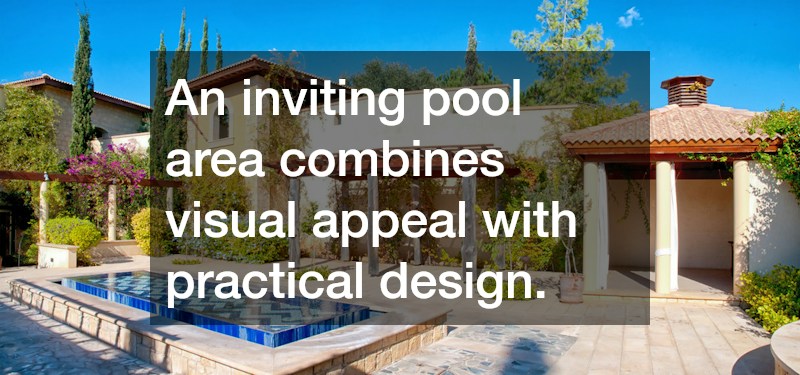
An inviting pool area combines visual appeal with practical design. Material selection, defined activity areas, decorative patterns, and thoughtful attention to safety can all contribute to an outdoor space that feels comfortable and cohesive. Homeowners can also consider how the pool area connects with existing patios, landscaping, seating, and entertainment features.
Whether the goal is a sleek contemporary retreat or a warm traditional setting, there are many ways to customize the area surrounding a swimming pool. Thoughtful pool deck paving choices can provide a foundation for an outdoor space that looks attractive and supports relaxing, entertaining, and enjoying time outside.