

If your utility bills seem to climb every year no matter how careful you are, you are not alone, and the good news is that meaningful change does not require a complete home overhaul. Small, targeted upgrades can add up to real savings on heating, cooling, and water costs while making your living space more comfortable year-round. This guide walks through practical, budget-conscious steps you can take this year to shrink your home’s energy footprint. Whether you are planning a single project or a full season of improvements, understanding your options will help you spend wisely and avoid unnecessary work.
Start With a Whole-Home Energy Assessment
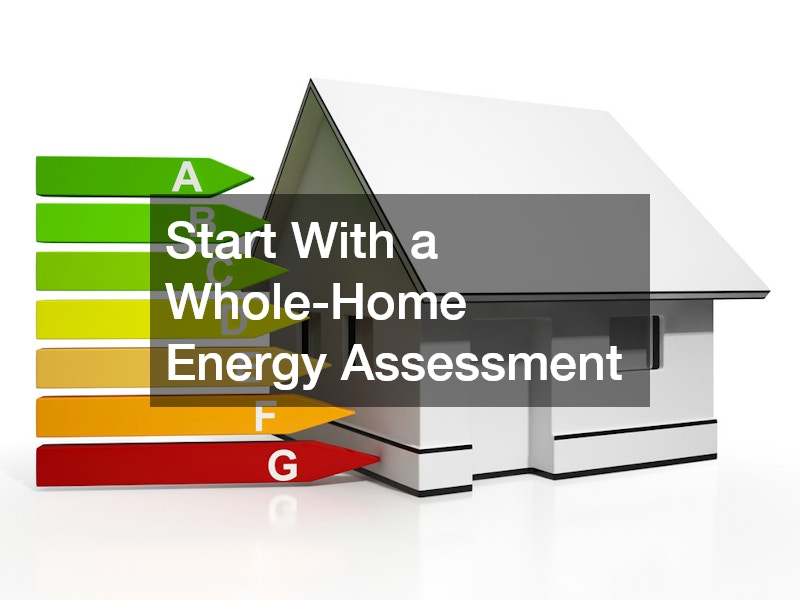
Before spending a dollar on upgrades, it helps to know exactly where your home is losing energy. A professional energy assessment measures airflow, checks insulation levels, and identifies drafty spots that quietly inflate your monthly bills. Many auditors use a blower door test to depressurize the house and pinpoint air leaks, along with infrared cameras that reveal hidden gaps around windows, doors, and attic hatches.
Most assessments take one to three hours depending on your home’s size, and many utility companies offer them at a reduced cost or even free as part of energy efficiency programs. If a free option isn’t available, a certified auditor typically charges between $200 and $400, a small investment compared to the savings it can uncover. Some programs even bundle the assessment with rebates for insulation, sealing, or HVAC upgrades identified during the visit.
Ask your provider for a written report ranking recommended fixes by cost and impact, so you can prioritize the changes that deliver the fastest payback.
Once you have the assessment results, prioritize the fixes that offer the biggest return first. Sealing air leaks and addressing insulation gaps typically cost less than replacing major systems, yet they can immediately reduce strain on your heating and cooling equipment. Many assessors use a blower door test to pinpoint exactly where air is escaping, so ask for that data rather than a vague summary.
Pay close attention to any home theater, gaming, or entertainment setup flagged during the assessment, since these rooms often hide surprising energy drains. Projectors, sound systems, and gaming consoles left in standby mode can quietly add 5-10% to your monthly usage, and a good assessor will note which outlets or power strips are worth switching to smart, auto-shutoff versions.
Think of the assessment as a roadmap rather than a one-time task, since revisiting it every few years helps you track progress. Keep a simple log of completed upgrades alongside your utility bills so you can see, in dollars and kilowatt-hours, which fixes actually moved the needle. This record also makes it easier to decide whether the next investment should go toward better insulation or a more efficient entertainment setup.
- Ask about thermal imaging to spot hidden drafts around windows, doors, and attic hatches, often revealing heat loss invisible to the naked eye
- Request a blower door test to measure overall air leakage, typically expressed in air changes per hour (ACH), with most homes benefiting from a target below 5 ACH
- Have the assessor check insulation levels in the attic, walls, and basement, since many homes fall short of the recommended R-38 to R-60 in attics
- Ask for a review of ductwork for leaks, as unsealed ducts can waste 20-30% of heating and cooling energy
- Request a check of appliance and lighting efficiency to identify easy upgrade opportunities, like swapping in ENERGY STAR-rated models
- Get a written report so you can compare before-and-after results, including a prioritized list of recommended fixes ranked by cost and energy savings
Evaluate Your Roof’s Condition and Efficiency
Your roof plays a bigger role in energy efficiency than most homeowners realize, since a damaged or aging roof allows conditioned air to escape and outside heat to seep in. A reputable roofing company can inspect for cracked shingles, poor ventilation, or insufficient attic insulation that contribute to higher energy use. Addressing these issues early often prevents costlier repairs down the road and keeps your indoor temperatures more stable.
If your roof is nearing the end of its lifespan, consider asking a local roofing contractor about reflective or energy-rated materials designed to reduce heat absorption. These options can lower cooling costs significantly in warmer climates while still holding up against wind and storm damage. A proper inspection every year or two ensures small problems do not turn into major energy drains.
- Check for curling, cracked, or missing shingles
- Ask about attic ventilation as part of any roof inspection
- Inquire about reflective or cool-roof coatings for hot climates
Upgrade Aging Windows and Doors

Old, single-pane windows are notorious for letting conditioned air escape, forcing your heating and cooling systems to work overtime. Installing replacement windows with double or triple glazing, low-E coatings, and tight seals can noticeably reduce drafts and outside noise. While the upfront cost is a real consideration, many homeowners recoup a portion of that investment through lower monthly utility bills over time.
Doors deserve the same attention as windows, since gaps around frames are a common source of energy loss. Weatherstripping and door sweeps are inexpensive fixes that pair well with a larger window upgrade project. Together, these changes create a tighter building envelope that keeps your home’s temperature more consistent throughout the year.
- Look for windows with an ENERGY STAR rating suited to your climate zone
- Check for visible condensation between panes, a sign of seal failure
- Add caulking around frames as a low-cost interim fix
Improve Insulation Throughout the Home
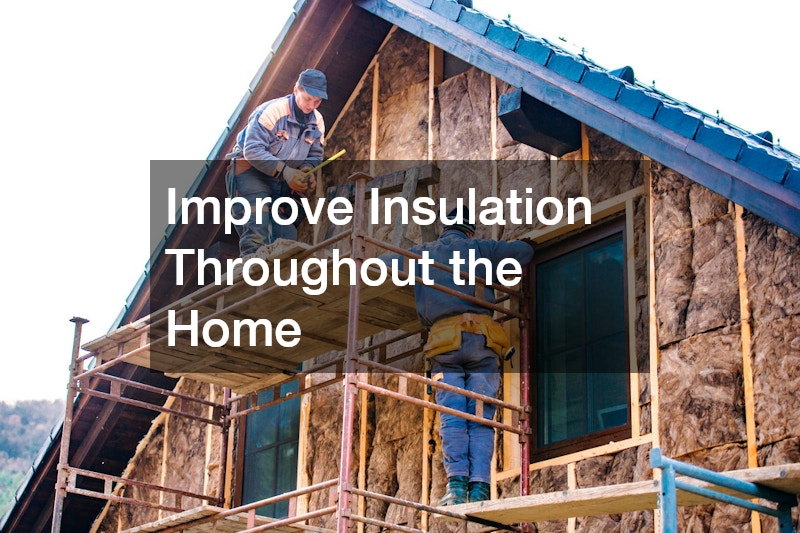
Insulation is one of the most cost-effective upgrades available, yet it is often overlooked because it is hidden behind walls and under floors. Even a modest boost in R-value can trim heating and cooling costs by 10-15% annually, making this an upgrade that pays for itself over time.
Working with the best insulation company in your area ensures the material and installation method match your home’s specific needs, whether that means blown-in cellulose, spray foam, or traditional batts. Each option has tradeoffs: spray foam offers superior air sealing but costs more upfront, while cellulose is budget-friendly and works well in enclosed attic spaces.
Attics, crawl spaces, and basement rim joists are common weak points that deserve extra attention, since heat naturally rises and escapes through poorly insulated ceilings. Older homes especially benefit from a professional energy audit first, which uses thermal imaging to pinpoint exactly where drafts and gaps are undermining efficiency before any material is installed.
Beyond comfort, proper insulation reduces the workload on your heating and cooling equipment, which can extend its lifespan and lower repair frequency. Homes built before certain energy codes were established often have far less insulation than current standards recommend, sometimes with only 2-3 inches in the attic compared to the 10-14 inches now recommended for most climates.
A quick check of your attic insulation depth can reveal whether this project should move up your priority list. The Department of Energy recommends an R-value of R-38 to R-60 for attics in most regions, so measuring the depth of your existing material against a ruler is an easy first step.
Don’t stop at the attic, though. Exterior walls, basement rim joists, and crawl spaces are common weak points that homeowners overlook, and gaps around these areas can let conditioned air escape year-round. If you notice uneven temperatures between rooms or drafts near baseboards, it’s worth having a professional assess whether additional insulation or air sealing is needed.
- Aim for attic insulation levels recommended for your climate zone — typically R-30 to R-60, per Department of Energy guidelines
- Check existing attic insulation depth; less than 8-10 inches of fiberglass usually signals it’s time to top it off
- Do not forget basement rim joists and crawl spaces, where uninsulated gaps often account for significant heat loss
- Use rigid foam board or spray foam for rim joists, since they resist moisture better than batts
- Seal air leaks before adding new insulation for best results — caulk small gaps and use expanding foam for larger ones
- Focus first on high-leak areas like recessed lighting, plumbing penetrations, and attic hatches
Modernize Your Heating and Cooling Systems
Heating and cooling typically account for the largest share of a home’s energy use—often 40 to 50 percent of a monthly utility bill—so upgrading outdated equipment can produce dramatic savings. If your furnace or air conditioner is more than 12 to 15 years old, it may be working harder than necessary just to maintain a comfortable temperature.
Reaching out to local hvac contractors for a system evaluation helps determine whether your current equipment is still operating efficiently or quietly driving up costs. A professional assessment typically checks refrigerant levels, airflow, ductwork integrity, and overall system performance, giving you a clear picture of what’s actually happening behind the walls.
Newer high-efficiency units often use significantly less energy while delivering more consistent temperatures throughout the house. Look for furnaces with an AFUE rating of 90 percent or higher, or air conditioners with a SEER2 rating of 15 or above, since these benchmarks indicate meaningful improvements over older models.
Pairing a new system with a smart thermostat adds another layer of savings by automatically adjusting temperatures based on your daily routine. Many homeowners also qualify for manufacturer rebates or federal tax credits when installing qualifying high-efficiency equipment, which can offset a meaningful portion of the upfront cost.
For homeowners looking for an alternative to forced-air systems, a radiant heating system offers a different approach by warming floors or walls directly rather than heating and circulating air. Electric radiant systems use thin heating cables installed beneath tile or hardwood, making them a practical retrofit option for a single room like a bathroom or studio. Hydronic systems, which circulate heated water through tubing embedded in the subfloor, are typically better suited for whole-home installations and can even be paired with a solar water heater or high-efficiency boiler.
This method can reduce energy waste since heat rises naturally from the floor level where people actually spend their time, rather than collecting near the ceiling as it does with forced-air heat. Because the heat source is distributed evenly across a large surface, rooms often feel comfortable at thermostat settings two to four degrees lower than with conventional systems, translating into measurable savings over a heating season.
It also eliminates the dust circulation and drafts sometimes associated with traditional duct systems, which is a meaningful benefit for households with allergies, art collections, or sensitive display pieces. Without air being pushed through vents, there’s less airborne particulate matter settling on artwork, instruments, or upholstered furniture. Installation costs run higher than baseboard heaters, so homeowners should weigh upfront investment against long-term efficiency gains and the lifespan of the flooring being installed over it.
- Have ductwork inspected for leaks that waste conditioned air — sealed ducts can improve efficiency by up to 20%
- Ask about programmable or smart thermostats compatible with your system, many of which learn your schedule and can cut heating/cooling costs by 10-15%
- Consider zoned heating and cooling for homes with varying room usage, such as media rooms, home theaters, or studios that need different temperatures than living spaces
- Check your system’s age; units over 10-15 years old often run far less efficiently than current ENERGY STAR-rated models
- Schedule annual professional tune-ups to keep coils, filters, and refrigerant levels optimized for peak performance
Rethink Water Heating and Fuel Sources
Water heating is another significant contributor to household energy consumption, and the fuel source you choose matters. Many rural or off-grid homes rely on propane tanks for water heaters, ranges, and backup generators, and keeping these systems properly sized and maintained prevents wasted fuel. A licensed plumbing contractor can evaluate whether your current water heater is appropriately sized for your household’s needs or oversized in a way that burns through fuel unnecessarily.
Tankless water heaters have become popular because they heat water on demand rather than maintaining a constantly heated reservoir. This approach can reduce standby energy loss, particularly in homes where hot water usage is inconsistent throughout the day. Whether you stick with propane, switch to electric, or explore a hybrid system, getting professional input ensures the choice fits your household’s actual usage patterns.
- Insulate hot water pipes to reduce heat loss during transit
- Set water heater temperature to around 120 degrees for efficiency
- Schedule regular maintenance to catch leaks or inefficiencies early
Choose Energy-Conscious Materials for Renovations
If you are already planning a kitchen or bathroom remodel this year, it is worth thinking about how your material choices affect long-term energy use. Countertop installation using dense, well-sealed materials can improve durability and reduce the need for frequent replacement, which indirectly cuts down on manufacturing-related resource use. Choosing locally sourced materials also reduces the transportation footprint associated with your renovation.
Beyond countertops, consider how cabinetry, flooring, and fixtures contribute to your home’s overall sustainability. Durable materials that last decades ultimately require fewer replacements and less waste over the life of your home. Small decisions made during a renovation can add up to meaningful long-term reductions in resource consumption.
- Ask suppliers about the recycled content of countertop materials
- Choose finishes that are easy to maintain without harsh chemicals
- Prioritize local sourcing to reduce shipping-related emissions
Handle Old Materials and Appliances Responsibly
Energy-efficiency projects often leave behind old materials, from worn-out appliances to discarded metal ductwork and fixtures. Rather than sending these items to a landfill, a metal recycling service can process scrap metal from old water heaters, ductwork, or window frames into reusable material. This reduces the environmental impact of your renovation while sometimes offsetting a portion of your project costs.
Proper disposal also matters for appliances containing refrigerants or hazardous components, which should never simply be tossed in regular trash. Many municipalities offer appliance take-back programs or coordinate with recycling facilities to handle these items safely. Planning for responsible disposal from the start keeps your energy-saving project genuinely sustainable from beginning to end.
- Separate metal scraps like copper pipe and aluminum ductwork for recycling
- Check local rules for disposing of refrigerant-containing appliances
- Ask contractors if they include debris recycling as part of their service
Build Sustainable Habits Alongside Upgrades

Physical upgrades matter, but daily habits play a role in energy use too. Simple practices like washing clothes in cold water, air-drying dishes, and unplugging idle electronics can meaningfully reduce consumption without any construction at all. These habits complement your bigger investments and help you see faster returns on the money you have already spent.
Tracking your energy use over time, whether through utility bill comparisons or a smart home monitoring app, helps you understand which changes are making the biggest difference. This ongoing awareness keeps energy efficiency from becoming a one-time project and turns it into a long-term mindset. Small consistent adjustments often add up to savings just as significant as a single large renovation.
- Run major appliances during off-peak utility hours if your provider offers savings
- Use ceiling fans to reduce reliance on air conditioning
- Set a recurring reminder to check filters, seals, and settings seasonally
Reducing your home’s energy footprint does not have to happen all at once, and in many cases a phased approach produces better results than rushing every project into a single season. Start with the assessment, tackle the improvements that offer the fastest payback, and build outward from there as your budget allows. Whatever combination of projects you choose this year, the effort will pay off in lower bills, improved comfort, and a home that runs more efficiently for years to come.

